The Most Underrated Ingredient That Controls Everything in Your Bake
When we think of sugar, we usually think “sweetness.”
But in the world of baking, sugar behaves like a silent architect — working behind the scenes to determine whether your cake turns out fluffy or dense, whether your cookie spreads beautifully or sits like a rock, whether your frosting is silky or gritty.
Understanding sugar is the difference between a good baker and a scientific baker.
Let’s dive deep into the world of sugars — their types, functions, the chemistry behind them, and how tiny adjustments dramatically change your results.
🧁 1. What Exactly Is Sugar in Baking?
In baking, sugar refers to a family of carbohydrate ingredients whose job is far beyond sweetness.
Every sugar behaves differently based on its structure, crystal size, and molasses content.
Sugar in baking influences:
- Texture
- Moisture
- Colour
- Aeration
- Crumb softness
- Spread
- Shelf life
- Structure
- Flavour release
In short: Sugar decides the personality of your bake.
💡 2. Why Sugar Is One of the Most Important Baking Ingredients
1️⃣ Sugar Makes Your Baked Goods Soft & Moist
Sugar attracts water (hygroscopic), stopping your cakes from turning dry or rubbery.
This is why a cake with balanced sugar stays fresh longer than a low-sugar version.
2️⃣ Sugar Helps Cakes Rise
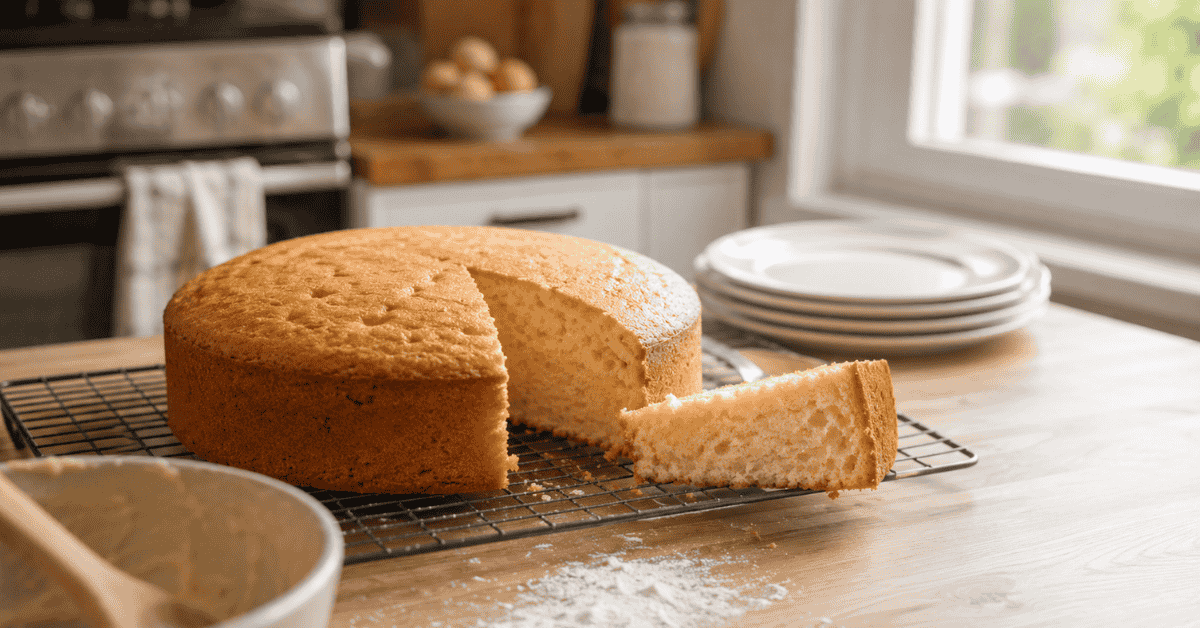
When creamed with butter, sugar crystals cut tiny air pockets into the fat.
These air pockets expand in the oven → giving lift, lightness, and an airy crumb.
3️⃣ Sugar Creates Colour & Caramel Flavour
Through caramelization and the Maillard reaction, sugar gives the:
- Golden crust on cookies
- Glossy brown top on bread
- Rich colour in caramel
4️⃣ Sugar Builds Structure
Contrary to myth, sugar isn’t just sweet — it gives cakes stability.
Reducing sugar drastically = collapsed, dense, rubbery cakes.
5️⃣ Sugar Controls Spread in Cookies
High sugar → more spread
Low sugar → stiff, dense cookies
Brown sugar → chewy
White sugar → crisp
Sugar decides whether your cookie is chewy, gooey, cakey, or crispy.
🔬 3. The Science Behind Each Role of Sugar
🧬 A. Tenderizing
Sugar competes with flour for water → less gluten formation → softer texture.
🔥 B. Caramelization
Sugar melts at ~160°C → breaks down → forms hundreds of complex flavour compounds.
🍞 C. Maillard Reaction
Sugar reacts with proteins → browning + deep flavour.
💧 D. Hygroscopic Action
Sugar holds moisture → slows staling → enhances softness.
☁️ E. Foam Stabilization
In meringue and whipped cream, sugar strengthens air bubbles to prevent deflating.
🍞 F. Fermentation Booster
Yeast “eats” sugar → produces CO₂ → breads rise beautifully.
🎨 4. Types of Sugars & How They Transform Your Baking
Below is a more beautifully explained, rich and elegant breakdown.
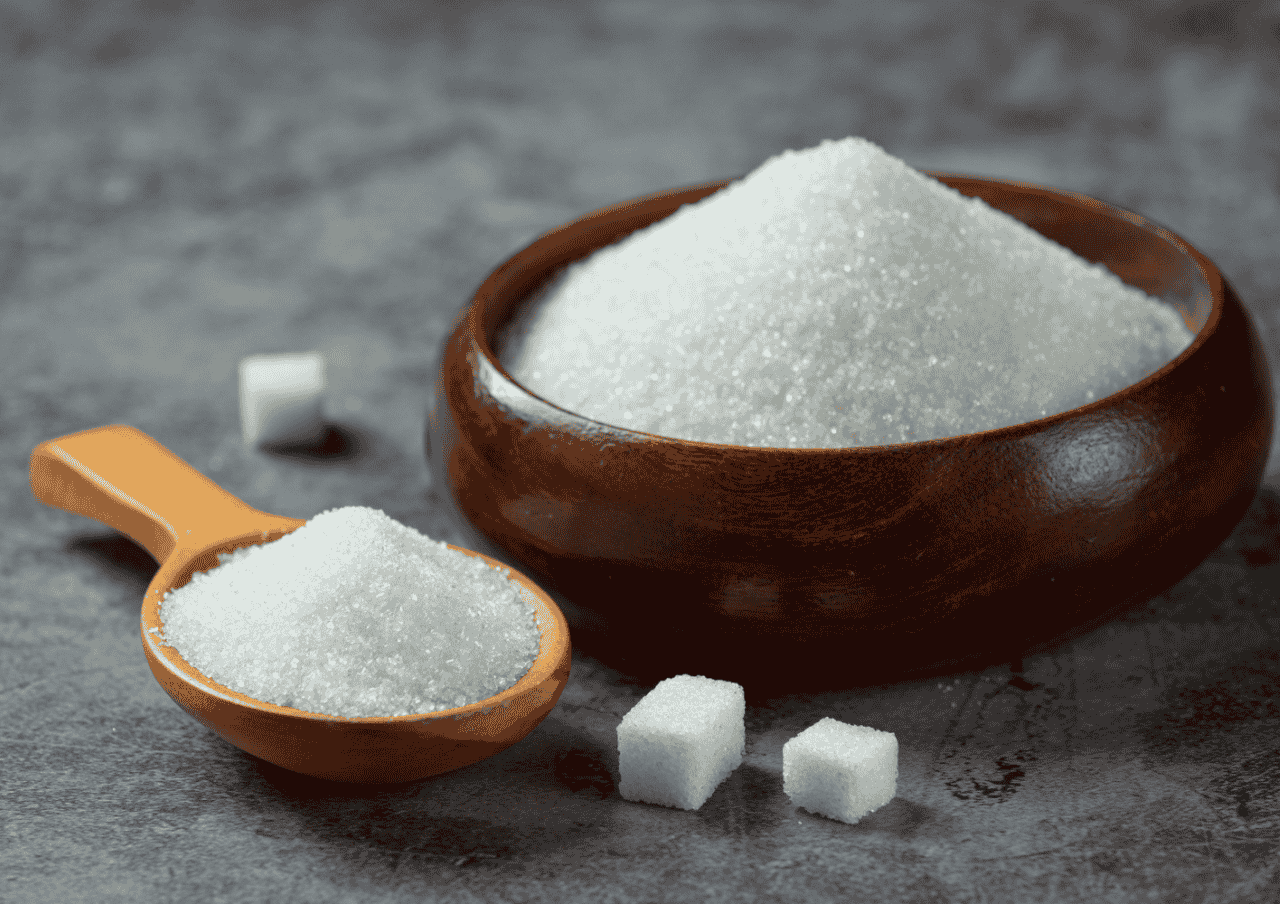
⭐ A. White Granulated Sugar
Flavour: Clean, neutral
Best for: Cakes, cookies, breads, custards
Why bakers love it:
- Creates light crumbs
- Gives crisp edges
- Creams well with butter
- Caramelizes beautifully
⭐ B. Castor (Superfine) Sugar
Flavour: Mild
Best for: Sponge cakes, meringues, macarons
What makes it special:
Its fine crystals dissolve instantly → producing silky batters, stable foams, and cloud-like textures.
⭐ C. Brown Sugar (Light/Dark)
Contains molasses → deeper flavour + more moisture.
Best for: Cookies, brownies, muffins, banana bread
Why it’s magical:
- Makes cookies chewy
- Adds richness & colour
- Creates soft, moist interiors
- Gives beautiful caramel notes
Dark brown = strong molasses, sticky texture
Light brown = softer flavour
⭐ D. Muscovado, Demerara & Turbinado
These are premium, unrefined sugars with natural molasses.
Used for: Gourmet cookies, crust toppings, artisan bakes
Characteristics:
- Muscovado → sticky, intense caramel
- Demerara → large golden crystals
- Turbinado → crunchy sparkle on top
⭐ E. Jaggery, Coconut Sugar, Palm Sugar
Natural, earthy, mineral-rich alternatives.
Best for: Healthy bakes, millet bakes, Indian fusion cakes
Effects:
- Adds depth & warmth
- Makes bakes denser and moister
- Darkens the colour
- Lowers aeration → adjust liquids
⭐ F. Powdered/Icing Sugar
Contains cornstarch.
Best for: Buttercreams, frostings, melt-in-mouth cookies
Why:
- Dissolves instantly
- Gives velvety finish
- Creates tender, crumbly textures
⭐ G. Liquid Sweeteners
1. Honey
Retains moisture, browns quickly, creates denser bakes.
2. Maple Syrup
Adds sophistication in flavour but requires formula adjustments.
3. Glucose / Corn Syrup
Prevents crystallization → perfect for truffles, caramel, chocolate, ganache.
4. Invert Sugar
Premium ingredient used by pastry chefs:
- Increases shelf life
- Adds intense moisture
- Prevents drying
- Gives shine to glazes and ganache
⚖️ 5. How Sugar Quantity Changes Your Recipe
When sugar is increased:
✔ Softer, more tender crumb
✔ More moisture
✔ Faster browning
✔ Cookies spread more
✘ Too much = collapsed cake
When sugar is reduced:
✔ Less sweetness
✘ Dry, tough crumb
✘ Less browning
✘ Dense & hard texture
✘ Shorter shelf life
Sugar isn’t only flavour — it is formula.
🔁 6. Substitution Guide (Perfected for Accuracy)
White ↔ Castor
✔ 1:1
✔ Castor gives softer texture
White ↔ Brown
✔ 1:1
✘ Flavour, colour, moisture change
White ↔ Jaggery/Coconut Sugar
✔ Nearly 1:1
✘ Reduce liquids slightly
✘ Expect darker colour + denser crumb
Sugar ↔ Honey
Use ¾ cup honey = 1 cup sugar
Reduce liquid by 3 tbsp
Drop oven temp by 10°C
🛠️ 7. Common Sugar Mistakes That Ruin Bakes
❌ Grainy frosting
Using granulated sugar instead of icing sugar OR not sifting.
❌ Dense cakes
Low sugar → low aeration → tight crumb.
❌ Cookies not spreading
Not enough sugar → dough stays stiff.
❌ Meringue weeping
Sugar added too early OR not enough sugar.
❌ Over-browning
Excess liquid sweeteners like honey/maple/glucose.
⭐ Final Words: Sugar Is Not a Sweetener. It Is a STRUCTURAL Ingredient.
The sugar you choose and how much you use decides:
- The crumb
- The softness
- The colour
- The spread
- The rise
- The flavour
- The shelf life
Mastering sugar = mastering baking.
Once you understand sugar, you can control the entire behaviour of your baked goods.