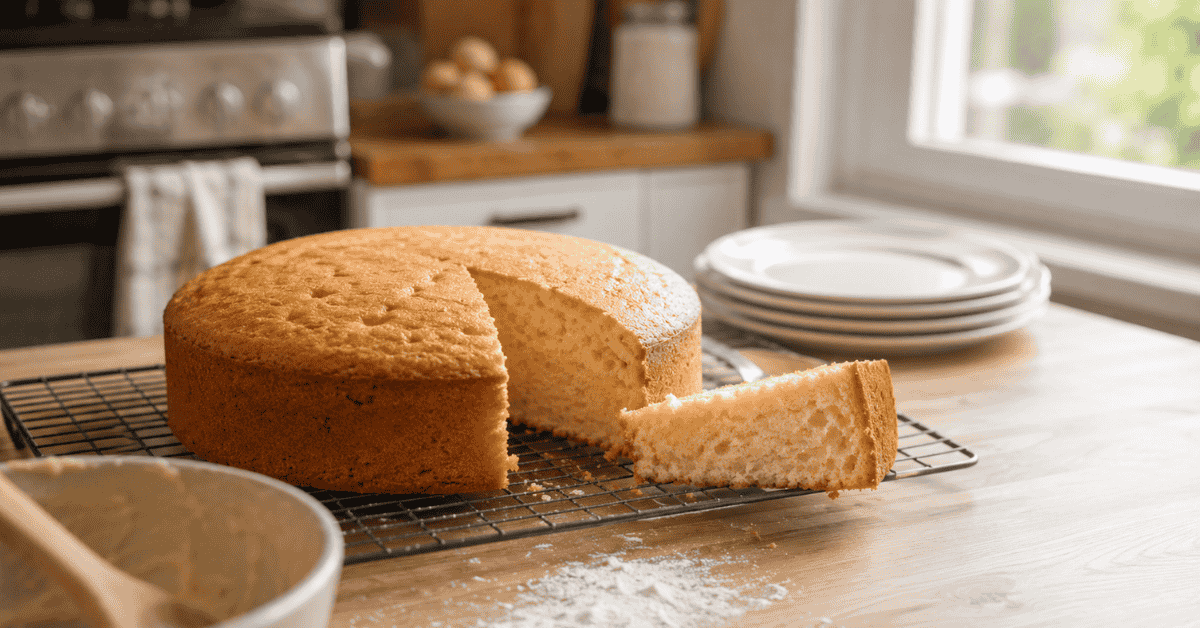
Baking is often described as a beautiful combination of creativity and science. While ingredients like butter, sugar, and chocolate usually get the spotlight, the real backbone of most baked goods is flour. Whether you are making a soft sponge cake, chewy bread, or crispy cookies, flour plays a crucial role in determining the final texture and structure of your recipe.
In the past, most home bakers relied on just one type of flour—typically refined wheat flour. But today, the world of baking has expanded dramatically. Bakers now have access to a wide variety of flours, each offering unique flavors, textures, and nutritional benefits.
At the same time, people are becoming more conscious about what they eat. Health awareness has encouraged many bakers and food lovers to explore healthier flour alternatives that provide better nutrition without compromising taste.
In this article, we will explore the different types of flours used in baking, understand how they affect baked goods, and discuss why healthier flours are becoming increasingly popular in modern kitchens.
Why Flour Is So Important in Baking
Flour does much more than simply fill the recipe. It provides the structure and foundation for baked goods. When flour is mixed with liquid ingredients like milk, water, or eggs, proteins inside the flour begin to form gluten.
Gluten acts like a network that holds the dough or batter together. This network traps air produced during baking, helping cakes rise, breads expand, and cookies maintain their shape.
The amount of protein present in flour determines how much gluten forms. This is why different types of flour are better suited for different baked goods. For example, bread requires stronger gluten development to create a chewy structure, while cakes need softer flour to maintain a delicate crumb.
Understanding how flour works helps bakers control the texture and quality of their baked creations.
Common Types of Flour Used in Baking
Before exploring healthy alternatives, it is important to understand the basic flours most bakers use regularly.
All-Purpose Flour
All-purpose flour is the most commonly used flour in home kitchens. As the name suggests, it is versatile and can be used for many recipes including cakes, cookies, pancakes, and quick breads.
It contains a moderate amount of protein, making it flexible enough for different baking needs. While it may not always produce the most specialized results, it performs well in most recipes and is perfect for beginners who are just starting their baking journey.
Cake Flour
Cake flour is specially designed for soft and delicate baked goods. It contains lower protein content compared to all-purpose flour and is finely milled.
Because it forms less gluten, cake flour produces lighter, fluffier cakes with a tender crumb. This is why professional bakers often prefer cake flour for sponge cakes, chiffon cakes, and other delicate desserts.
If your cakes ever feel slightly dense, switching to cake flour can often make a noticeable difference.
Bread Flour
Bread flour contains higher protein levels than all-purpose flour. This higher protein content allows the dough to develop stronger gluten, which gives bread its signature chewiness and structure.
It is ideal for recipes such as:
- Artisan bread
- Pizza dough
- Bagels
- Dinner rolls
If you want your bread to have a professional bakery-style texture, bread flour can be a great choice.
Whole Wheat Flour
Whole wheat flour is made by grinding the entire wheat kernel, including the bran and germ. Unlike refined flour, it retains more nutrients and fiber.
This flour has a slightly nutty flavor and creates denser baked goods. Many bakers combine whole wheat flour with all-purpose flour to maintain softness while still gaining nutritional benefits.
Whole wheat flour is commonly used in:
- Healthy breads
- Muffins
- Pancakes
- Rustic baked goods
The Growing Interest in Healthier Flours
In recent years, there has been a noticeable shift in the way people approach food and baking. Instead of focusing only on taste, many individuals now consider nutrition, ingredient quality, and overall health impact.
As a result, alternative flours made from grains, nuts, and seeds have become more popular.
These flours often provide:
- Higher fiber content
- Better nutritional value
- More protein
- Unique flavors and textures
They also allow bakers to create recipes suitable for people with dietary preferences such as gluten-free or low-carb lifestyles.
Let’s explore some of the most commonly used healthy flours in modern baking.
Popular Healthy Flour Alternatives
Oat Flour
Oat flour is made from finely ground oats and has become a favorite among health-focused bakers. It has a mild flavor and works well in cookies, pancakes, and muffins.
One of the biggest advantages of oat flour is its fiber content, particularly a type of fiber called beta-glucan. This fiber supports heart health and helps maintain stable energy levels.
Another benefit is that oat flour can easily be made at home by blending rolled oats into a fine powder.
Almond Flour
Almond flour is made from finely ground almonds and has gained popularity in low-carb and gluten-free baking.
It has a slightly sweet, nutty flavor and produces moist baked goods. Because it contains natural fats, recipes using almond flour often require less added fat.
Almond flour is commonly used in:
- Macarons
- Gluten-free cakes
- Healthy cookies
- Low-carb desserts
It is also rich in protein and healthy fats, making it a nutrient-dense baking ingredient.
Coconut Flour
Coconut flour is made from dried coconut meat that has been ground into a fine powder. It has a mild coconut flavor and is extremely high in fiber.
One important characteristic of coconut flour is its high absorbency. It absorbs much more liquid than regular flour, so recipes typically require additional eggs or moisture.
Although it can take some practice to master, coconut flour is excellent for creating fiber-rich baked goods.
Buckwheat Flour
Despite its name, buckwheat is not related to wheat and is naturally gluten-free. It has an earthy flavor and is widely used in traditional dishes around the world.
Buckwheat flour works well in pancakes, crepes, and rustic breads. It is also rich in minerals and antioxidants, making it a nutritious addition to baking recipes.
Quinoa Flour
Quinoa flour is made by grinding quinoa seeds into a fine powder. It is known for its high protein content and balanced nutritional profile.
Quinoa flour adds a slightly nutty flavor to baked goods and works well in combination with other flours.
It is particularly useful in gluten-free baking blends.
Why People Are Choosing Healthier Flours Today
The growing popularity of healthy flours is not just a trend—it reflects a broader shift in lifestyle and food awareness.
Here are some of the key reasons why people are making this change.
Increased Health Awareness
More people today understand the connection between food and overall well-being. Many individuals prefer ingredients that provide nutrients rather than empty calories.
Whole grain and alternative flours often contain fiber, vitamins, and minerals that support better digestion and long-term health.
Balanced Blood Sugar Levels
Refined flour products can sometimes cause rapid spikes in blood sugar levels. Many alternative flours have a lower glycemic impact, helping maintain more stable energy throughout the day.
This is particularly important for individuals trying to manage their diet more carefully.
Gluten Sensitivity
An increasing number of people are exploring gluten-free diets due to gluten sensitivity or personal preference.
Flours such as almond, oat, buckwheat, and quinoa allow bakers to create delicious gluten-free baked goods without sacrificing flavor.
Desire for Natural Ingredients
Consumers today are paying more attention to food labels. Many prefer ingredients that are minimally processed and closer to their natural form.
Whole grain and nut-based flours align well with this preference.
Exploring New Flavors
Healthy flours do more than improve nutrition—they also introduce exciting new flavors and textures to baking.
For example:
- Almond flour adds richness
- Buckwheat provides earthy depth
- Oat flour gives softness and mild sweetness
These ingredients encourage creativity in the kitchen and help bakers experiment with new recipes.
Tips for Baking with Different Flours
When experimenting with new flours, it is helpful to keep a few practical tips in mind.
Start by Mixing Flours
Instead of replacing regular flour completely, try combining it with healthier alternatives. For example, using 50% whole wheat flour and 50% all-purpose flour can improve nutrition while maintaining softness.
Adjust Liquid Ingredients
Some flours absorb more moisture than others. Coconut flour, for example, requires more liquid. Always monitor batter consistency when trying new ingredients.
Use Trusted Recipes First
Healthy flours behave differently from refined flour, so it is helpful to follow tested recipes when starting out.
Once you understand how a flour behaves, you can experiment more confidently.
Focus on Flavor Balance
Some alternative flours have stronger flavors. Pairing them with complementary ingredients such as honey, nuts, spices, or chocolate can enhance the final result.
The Future of Baking
Baking is constantly evolving. While classic recipes will always remain popular, modern baking increasingly focuses on combining indulgence with nutrition.
Today’s bakers are learning that desserts and baked treats can be both delicious and nourishing. By choosing the right flour and understanding how it works, it becomes possible to create recipes that satisfy both taste and health.
Whether you are baking a simple loaf of bread at home or experimenting with new desserts, flour will always remain the heart of baking. Exploring different flours opens the door to creativity, better nutrition, and exciting new flavors.