If you have ever stood in your kitchen surrounded by half a dozen recipe printouts, wondering which ones actually deserve a spot on your menu, you are not alone. Almost every home baker who decides to turn their hobby into a business hits this exact wall. You know how to bake. You might even be brilliant at it. But knowing how to price, plan, and structure a menu so that it actually makes money is a completely different skill, and it is one that most people never get taught before they start taking orders.
A profitable baking menu is not just a list of things you enjoy making. It is a carefully thought-out set of choices that balances cost, demand, your own capacity, and the story you want your brand to tell. Here is how to actually build one.
Start With Your Numbers, Not Your Recipes
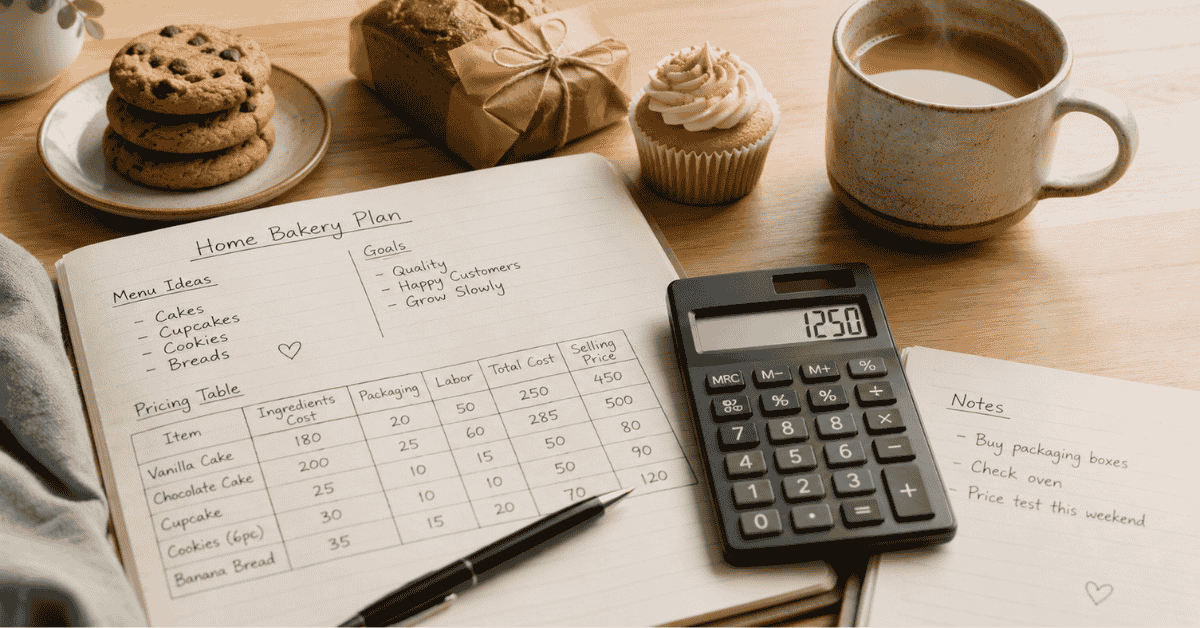
The single biggest mistake new bakers make is designing a menu around what they love to bake rather than what makes financial sense. Before you finalise a single item, sit down and work out your real cost per unit. This means every gram of flour and butter, every gram of packaging, your electricity, your time, and even the small stuff like piping bags and food colouring that people tend to forget about.
A simple way to do this is to cost out one full batch of a product, then divide the total by the number of servings it makes. Once you have your cost per piece, you can decide on a price that gives you a healthy margin, typically somewhere between fifty and seventy percent depending on the category and your local market. Cakes and celebration bakes usually carry a higher margin than daily-use items like bread, so your menu should reflect that mix rather than treating every item the same way.
Build a Tiered Menu, Not a Flat One
One pattern that works consistently well is structuring your menu in tiers instead of one long list. Think of it in three layers:
Everyday staples – breads, cookies, and simple cakes that people order regularly and that build repeat business. These items should be quick to produce and forgiving on ingredients, so you can make them often without burning out.
Signature specials – your show-stopping items, the ones that get photographed and shared. These carry a premium price because they take more skill, time, or unique ingredients, and they are what set you apart from the dozens of other home bakers in your city.
Seasonal and festive add-ons – items tied to specific times of year, like festive hampers, holiday plum cakes, or occasion-based gift boxes. These let you charge more because of scarcity and timing, and they give your regular customers a reason to keep checking in on what is new.
This structure keeps your production manageable while giving customers a reason to order more than once, and it gives you multiple price points to work with instead of relying on one type of sale.
Don’t Overload the Menu
It is tempting to offer everything under the sun, especially early on when you are trying to attract as many customers as possible. But an overloaded menu usually hurts profitability rather than helping it. Every extra item means extra inventory, extra recipe testing, and extra room for mistakes. A tighter menu of ten to fifteen well-priced, well-tested items will almost always outperform a sprawling menu of forty items where half of them barely sell.
A good filter to apply is asking whether an item can share ingredients or techniques with something else on your menu. If your sourdough base can also become a burger bun or a pizza crust, you are getting more value out of the same skill set and the same stock of flour, rather than needing a completely separate set of ingredients for every single product.
Factor In What People Actually Want Right Now
Menus that stay profitable over time tend to track what customers are genuinely asking for rather than what was trendy two years ago. Right now, that means paying attention to demand for healthier options such as millet-based bakes, high-protein snacks, gluten-free items, and eggless versions of classics. These categories often let you charge a premium because customers see them as harder to get right and worth paying extra for, while also expanding your audience to people with dietary restrictions who were previously ignored by traditional bakeries.
This is also where continued learning genuinely pays off. Structured courses on specific formats, whether that is festive hampers, protein-rich breads, or gourmet trail mixes, can shortcut months of trial and error and help you add a new, sellable category to your menu far faster than experimenting alone in your own kitchen. Chef Minali Zaveri, a Mumbai-based pastry chef with training from Ferrandi in Paris and over a decade of experience including cloud kitchen operations, has built out a full library of these kinds of focused masterclasses, covering everything from millet breads to designer cookies to packaging and shipping, which is worth exploring if you want a faster route to menu diversification.
Price for Perception, Not Just Cost
Your price tag communicates something before a customer even takes a bite. If everything on your menu is priced identically, customers assume everything is roughly the same quality, which flattens your ability to charge more for your best work. Instead, let your pricing tell a story. Your everyday cookies might be accessible and affordable, while your custom celebration cakes or artisan sourdough loaves sit at a noticeably higher price point that reflects the skill and time involved.
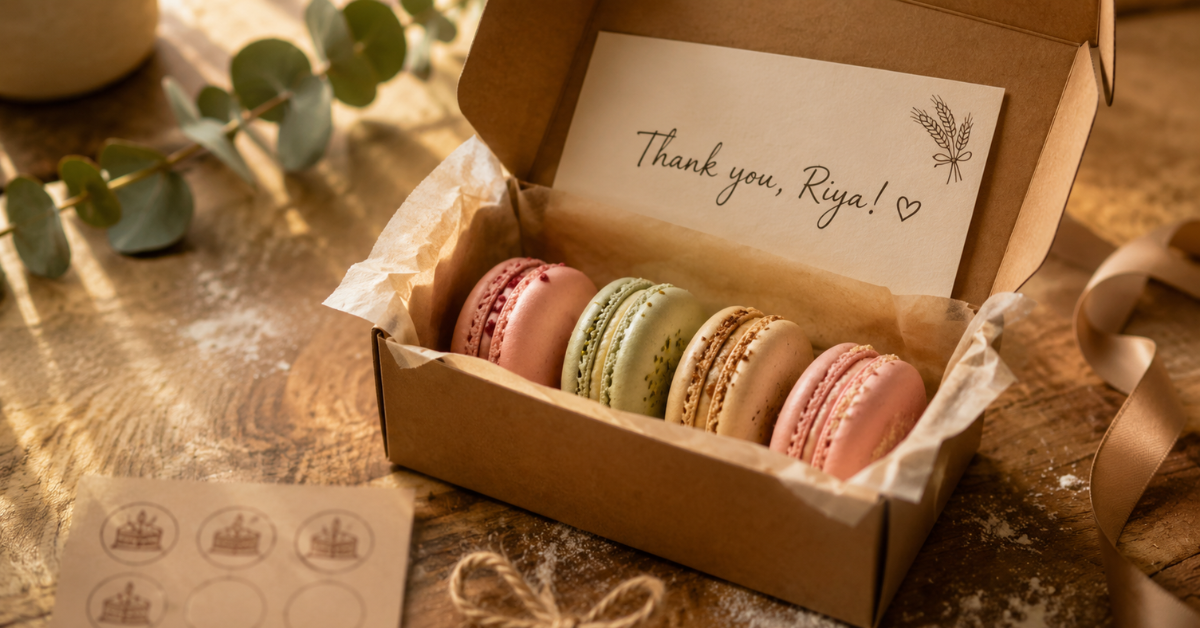
Small details help justify this too. Nice packaging, a clear description of ingredients, and even a short note about technique (say, a slow-fermented dough or a bean-to-bar chocolate ganache) all give customers a reason to accept a higher price without feeling like they are being overcharged.
Revisit the Menu Regularly
A profitable menu is never really finished. Track which items sell consistently, which ones people ask about but rarely buy, and which ones quietly eat up your time without adding to your profit. Every few months, be willing to retire the underperformers and test one or two new additions based on what customers have been requesting. Treat your menu as a living document rather than something set in stone on day one.
The Bottom Line
Building a profitable baking menu comes down to discipline as much as creativity. Cost your items honestly, structure your offerings in tiers, keep the list tight enough to manage well, stay tuned in to what customers actually want, and price with intention rather than guesswork. Do this consistently, and your menu stops being just a list of things you can bake, and starts being a genuine business asset that grows with you.